

Resources
Year-End Tax Planning Starts Now: A Q4 Checklist for Rochester Business Owners
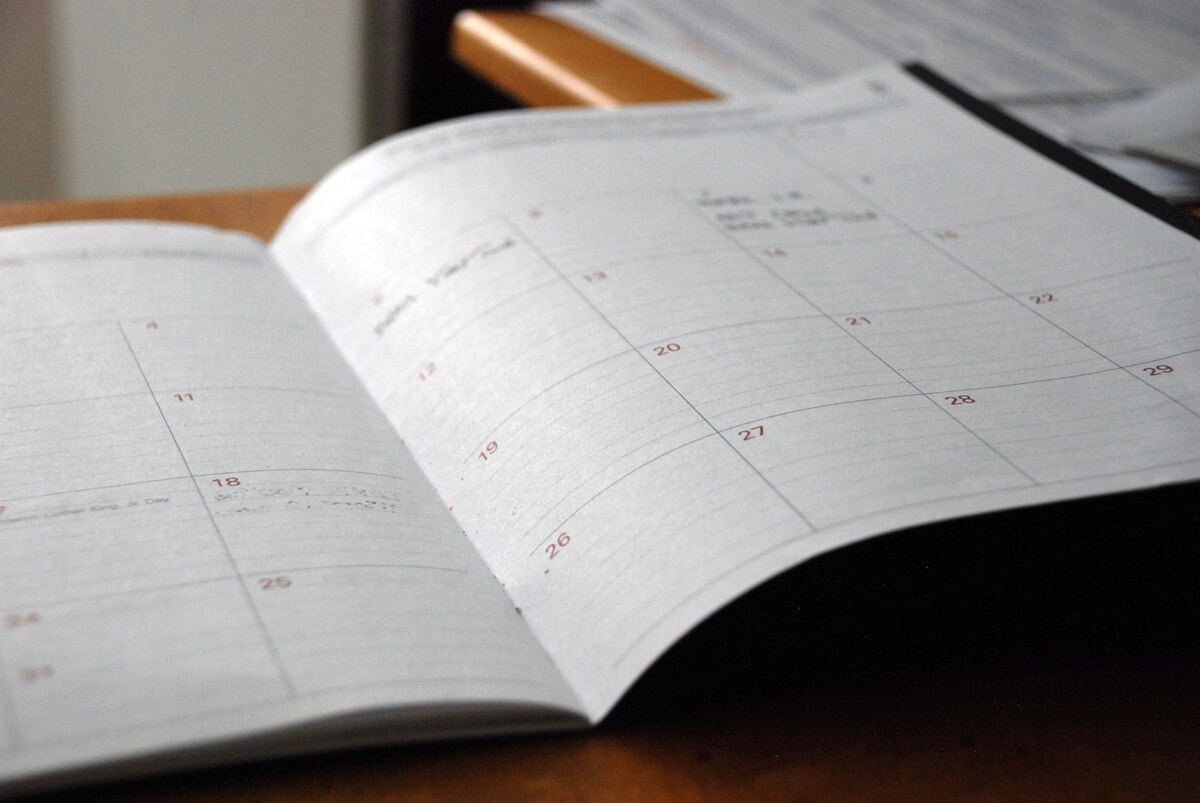
Here’s a hard truth about taxes: by the time you’re filing your return, almost every chance to lower the bill is gone.
The strategies that actually save money have to be in place before the year ends.
That’s why fall, not spring, is the most important season for tax planning.
For business owners in Rochester, Greece, and across Monroe County, the fourth quarter is your last real window to shape this year’s tax outcome.
Here’s a checklist to work through while there’s still time to act.
Start With an Honest Projection
You can’t plan well without knowing where you stand.
The first step is projecting your income for the full year based on what’s actually happened so far.
With that estimate, you can:
- See roughly what you’ll owe
- Spot whether you’re heading for a surprise
- Identify which strategies are worth pursuing
- Make decisions based on numbers, not guesses
A solid projection in the fall turns the rest of this checklist from theory into a concrete plan.
Time Your Income and Expenses
One of the most powerful levers a business has is the timing of income and expenses.
Depending on your situation and your accounting method, you may be able to:
- Defer income into next year to push off the tax
- Accelerate deductible expenses into this year
- Stock up on supplies you’ll need anyway before year-end
- Time client billing strategically
This works best when it’s deliberate. A few well-timed moves in the fourth quarter can meaningfully shift what you owe, but only if you act before December 31.
Make the Most of Equipment Purchases
If your business needs equipment, vehicles, or technology, the timing of those purchases matters for taxes.
Provisions that allow you to deduct a large portion of qualifying purchases up front can turn a planned investment into a significant deduction this year.
The key word is planned. Buying things you don’t need just for a deduction is never smart, but accelerating a purchase you were already going to make can be.
Maximize Retirement Contributions
Retirement plans are one of the best ways for business owners to reduce taxes while building real wealth.
Fall is the time to review:
- Whether you’re contributing as much as you can to your current plan
- Whether a different plan might allow larger contributions
- Deadlines for setting up or funding a plan
Some plans must be established before year-end even if they can be funded later, so this is a deadline you don’t want to miss.
Review Your Business Structure
The end of the year is a natural time to ask whether your business is still set up the right way.
If your profit has grown, a change in structure or tax election, such as electing S-corp taxation, might save money going forward.
These changes often need to be planned in advance to take effect when you want them to, which makes the fourth quarter the right time to evaluate.
Clean Up Your Books
Good year-end planning depends on accurate numbers.
Before you can make smart decisions, your books need to be current and correct.
Use the fall to:
- Catch up any behind bookkeeping
- Reconcile your accounts
- Review outstanding invoices and bills
- Clean up miscategorized transactions
Clean books make every other planning move more accurate, and make tax filing far less painful when it arrives.
Don’t Forget Estimated Payments
If your income has been higher than expected this year, your estimated tax payments may be falling short.
The fourth-quarter estimated payment is your last chance to true things up before filing.
Getting it right helps you avoid underpayment penalties and the unpleasant surprise of a large balance due in April.
Look at Charitable Giving
If giving is part of your plans, doing it before year-end can also provide a tax benefit.
Strategies like bunching donations into a single year, or giving appreciated assets instead of cash, can stretch the value of your generosity, for both the cause and your tax return.
Don’t Forget Your Personal Return
For most business owners, the business and personal tax pictures are deeply connected, so year-end planning shouldn’t stop at the business.
While you’re looking at the company, it’s worth reviewing your personal side as well:
- Whether to harvest investment losses to offset gains
- How your business income affects your personal bracket
- Whether bunching deductions makes sense this year
- How much you can still contribute to personal retirement accounts
Because income flows from many pass-through businesses straight onto your personal return, the two need to be planned together. Looking at only one side means you’re seeing half the picture, and possibly missing the move that saves the most.
A coordinated look at both is where the real opportunities tend to surface.
How We Help Rochester Business Owners
Year-end planning is where a proactive CPA earns their keep, because the savings come from acting at the right time, not from filing the right form later.
Through our business strategies and consulting services, we help Rochester and Monroe County owners project their year, identify the moves that matter, and execute them before the window closes on December 31.
The difference between planning in October and reacting in April can be substantial.
The Bottom Line
You can’t change your tax outcome once the year is over, but you have real power to shape it before then.
Project your income, time your moves, fund your retirement plan, clean up your books, and don’t leave deductions or planning opportunities on the table.
The fourth quarter is your window. The sooner you use it, the more it’s worth.
Ready to Lower This Year’s Tax Bill?
If you want to put a year-end tax plan in place while there’s still time to act, we’re here to help.
Contact us to schedule your year-end planning session.
Disclaimer: This article is for informational purposes only and should not be considered tax, financial, or legal advice. Individual circumstances vary. Always consult a qualified professional regarding your specific situation.
‹ Back