

Resources
Section 179 and Bonus Depreciation: Timing Equipment Purchases for Rochester Businesses
If your business has been thinking about a new truck, a piece of equipment, or a technology upgrade, the last quarter of the year is when that decision gets interesting.
That is because of two provisions in the tax code that let you deduct the cost of business property far faster than the old-fashioned approach of spreading it over many years.
For Rochester, Greece, and Monroe County business owners, understanding how these work, and more importantly when they apply, can meaningfully change what you owe in April.
The Old Way Versus the Fast Way
Traditionally, when a business bought equipment, it could not deduct the whole cost right away.
Instead it recovered that cost gradually through depreciation, a little each year across the asset’s useful life. Buy a machine for a substantial sum, and you might be deducting pieces of it for the better part of a decade.
Section 179 and bonus depreciation both exist to short-circuit that timeline, letting you take a much larger deduction in the year you put the asset to work.
How Section 179 Works
Section 179 lets a business elect to expense the cost of qualifying property in the year it is placed in service, rather than depreciating it over time.
A few things worth knowing:
- There is an annual dollar limit on how much you can expense, and it is adjusted periodically
- The deduction begins to phase out once total purchases for the year exceed a certain threshold, which keeps it aimed at small and mid-sized businesses
- It cannot create or increase a loss, so the deduction is limited to your business income
- You choose how much to elect, so it can be used selectively rather than all or nothing
That last point matters more than people realize. Section 179 is an election, which means it can be tuned to your situation rather than applied automatically.
How Bonus Depreciation Differs
Bonus depreciation covers similar ground but behaves differently in important ways.
It applies automatically unless you elect out, it is not limited by your business income, and it can be used to create a loss. There is also no phase-out based on how much you purchase during the year.
The percentage available under bonus depreciation has changed several times in recent years as tax legislation has shifted. That is precisely why this is worth a conversation rather than an assumption, because the rules that applied two or three years ago may not be the rules that apply to a purchase you make this quarter.
The Date That Actually Matters
Here is the detail that trips up more businesses than any other.
The deduction is tied to when the asset is placed in service, not when you ordered it, and not when you paid for it.
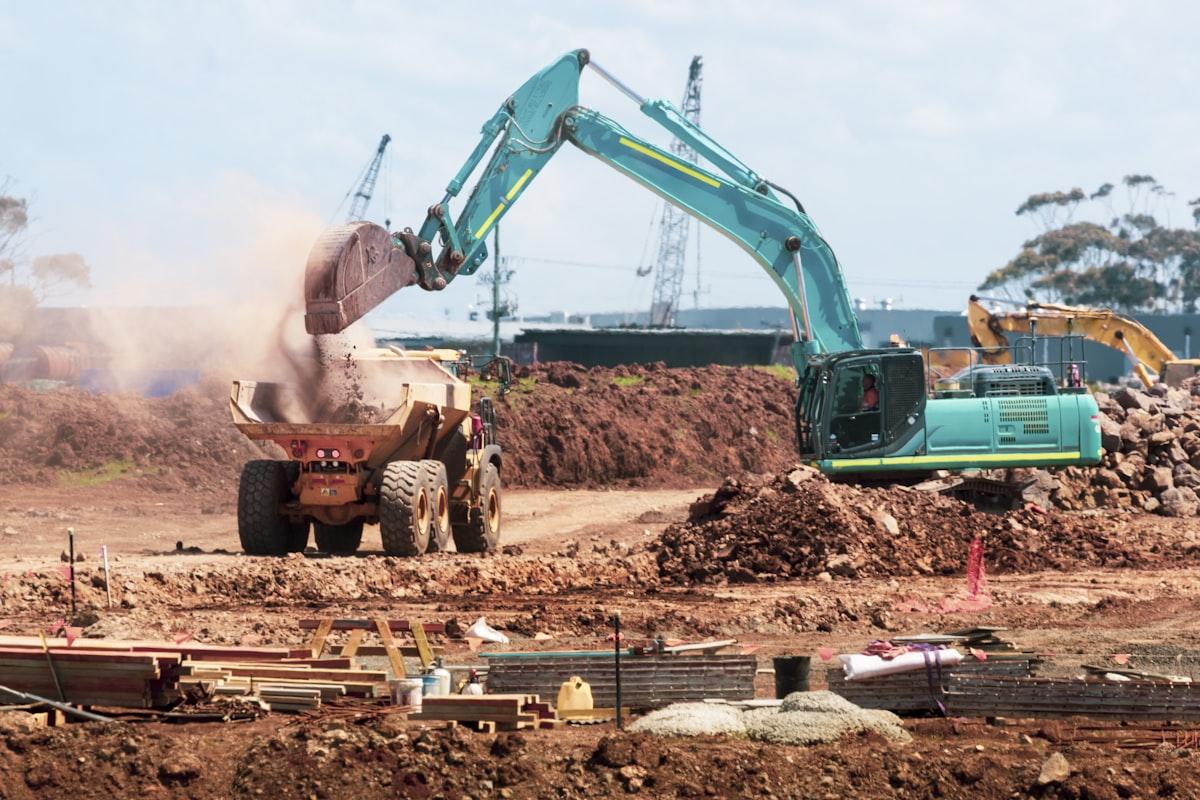
An excavator that arrives on your lot on January 3 does not help your current-year taxes, no matter when you signed the purchase order or wrote the check. It has to be delivered, installed where applicable, and genuinely ready for its intended use before the year ends.
With supply chains and delivery timelines being what they are, this is not a small consideration in November and December. If a year-end deduction is part of your reasoning for the purchase, confirm the delivery and installation schedule before you commit.
What Typically Qualifies
The categories are broader than many owners expect:
- Machinery and equipment
- Business vehicles, though vehicles carry their own special limitations
- Computers, servers, and off-the-shelf software
- Office furniture and fixtures
- Certain improvements to the interior of nonresidential buildings
Vehicles deserve particular caution. The rules around passenger automobiles versus heavier vehicles differ considerably, and the deduction available can vary dramatically depending on the weight and use of the vehicle.
Faster Is Not Always Better
This is the part that gets overlooked in the rush to write something off.
Taking the largest possible deduction this year is not automatically the smartest move. Every dollar you deduct now is a dollar you cannot deduct later.
Accelerating deductions makes the most sense when this year’s income is unusually high, or when you expect to be in a lower bracket going forward. If your business is growing and you expect higher income next year, spreading deductions forward may actually serve you better.
And a purchase that does not make business sense does not become wise because it is deductible. A deduction reduces the cost of something you needed. It never makes an unnecessary purchase free.
How We Help Rochester Business Owners
Deciding whether to buy, when to place it in service, and which provision to use is a planning question, not a filing question. By the time the return is being prepared, the opportunity has usually passed.
Through our business advisory services, we help Rochester and Monroe County owners weigh year-end purchases against their actual tax picture, so the timing works in their favor rather than against it.
That often means running the numbers both ways before the equipment is ordered, not after it arrives.
The Bottom Line
Section 179 and bonus depreciation are genuinely valuable tools for businesses investing in themselves.
Just remember that the asset has to be placed in service before year-end, the rules shift more often than most owners track, and the biggest deduction available is not always the one that serves you best.
Plan the purchase around the business first, then optimize the tax treatment second.
Thinking About a Year-End Purchase?
If you are weighing equipment or vehicles before December 31, we can help you run the numbers first.
Contact us to talk it through.
Disclaimer: This article is for informational purposes only and should not be considered tax, financial, or legal advice. Individual circumstances vary. Always consult a qualified professional regarding your specific situation.
‹ Back