

Resources
Q3 Estimated Tax Payments Are Due September 15: What Rochester Taxpayers Need to Know
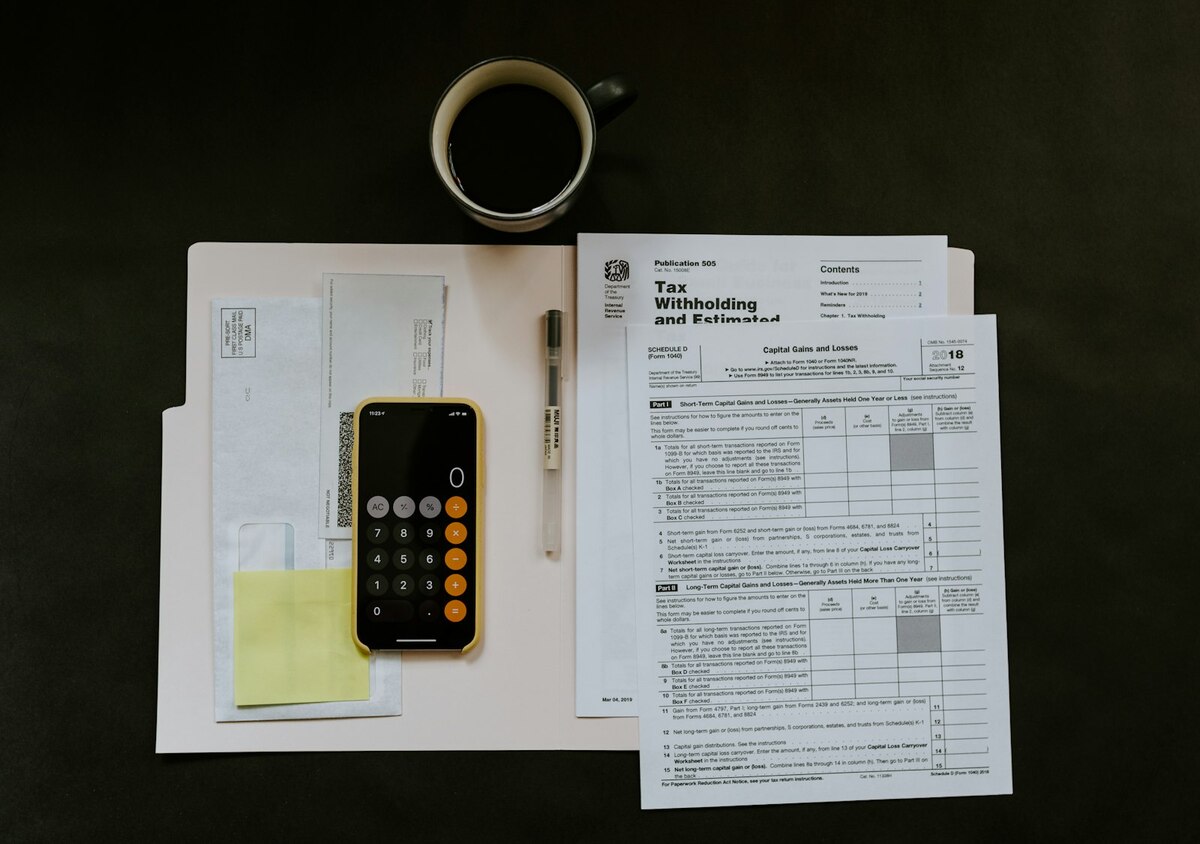
If you earn income that isn’t subject to withholding, September brings an important deadline: the third-quarter estimated tax payment, due September 15.
It’s a date that’s easy to overlook, and missing it can cost you in penalties and interest.
For self-employed workers, business owners, freelancers, and investors across Rochester, Greece, and Monroe County, estimated taxes are simply part of staying on top of your obligations.
Here’s what you need to know before the deadline arrives.
Why Estimated Taxes Exist
The U.S. tax system is “pay as you go.” The government expects to receive tax throughout the year, not all at once at filing time.
For employees, that happens automatically through paycheck withholding.
But if you earn income without withholding, you’re responsible for sending in those payments yourself, in four installments across the year.
The September 15 payment covers income earned during the third quarter.
Who Needs to Make Estimated Payments?
You likely need to pay estimated taxes if you receive income such as:
- Self-employment or freelance earnings
- Business profits from a pass-through entity
- Rental income
- Investment income, dividends, or capital gains
- Significant interest income
- Retirement income without enough withholding
Generally, if you expect to owe a certain amount when you file and don’t have enough withheld during the year, estimated payments are required, not optional.
Don’t Forget New York State
Estimated taxes aren’t just a federal matter.
New York State has its own estimated tax requirements and its own deadlines, which generally line up with the federal schedule.
For Rochester-area taxpayers, that means you may need to send payments to both the IRS and New York State. Forgetting the state portion is a common and avoidable mistake.
How Much Should You Pay?
Figuring out the right amount is where many people get stuck.
There are a couple of common approaches:
- Base your payments on what you expect to owe this year
- Or use a “safe harbor” based on last year’s tax, which can protect you from penalties even if your income rises
The safe harbor approach is especially useful if your income varies, because it gives you a clear, penalty-proof target. The right method depends on your situation, and getting the number reasonably accurate matters.
What Happens If You Underpay?
The IRS and New York both charge penalties and interest when you don’t pay enough during the year.
The underpayment penalty is essentially interest on the amount you should have paid but didn’t, and it applies even if you pay your full balance by the filing deadline.
In other words, paying everything in April isn’t enough. The system expects timely payments throughout the year, and it penalizes you for falling behind.
What If Your Income Has Changed?
One of the trickiest parts of estimated taxes is that your income may not be steady.
If you’ve had a stronger year than expected, your earlier payments may now be too low, and the September installment is a good chance to catch up.
If your income has dropped, you may be able to reduce your payment and keep more cash in hand.
This is exactly why a mid-year and third-quarter check-in is so valuable: it lets you adjust before the gap grows.
Tips for Staying On Track
Estimated taxes get a lot easier with a little system behind them:
- Set aside a percentage of every payment you receive for taxes
- Keep that money in a separate account so you’re not tempted to spend it
- Mark all four quarterly deadlines on your calendar
- Revisit your estimate mid-year as your income becomes clearer
The taxpayers who struggle are almost always the ones treating taxes as an afterthought rather than building them into how they manage cash.
How to Actually Make the Payment
Once you know your number, paying is the easy part, but it’s worth doing it in a way you can track.
For federal payments, the IRS offers several options, including paying online directly from your bank account or by card. New York State has its own online system for state estimated payments.
A few practical tips make it smoother:
- Pay electronically so you have a clear record of the date and amount
- Make your federal and state payments at the same time so neither slips through the cracks
- Save the confirmation for your tax records
- Note the amount paid so it can be credited correctly when you file
Keeping clean records of each payment makes preparing your return far simpler, and ensures you actually get credit for everything you’ve paid in during the year.
How We Help Rochester Taxpayers
Estimated taxes are one of those things that’s simple in concept but easy to get wrong in practice, especially when income is uneven or you’re juggling both federal and state payments.
Through our tax planning and compliance services, we help Rochester, Greece, and Webster taxpayers calculate the right amounts, stay ahead of every deadline, and avoid penalties, so the quarterly payments stop being a source of stress.
A little guidance turns guesswork into a clear, manageable routine.
And if estimated taxes have been a recurring source of stress, that’s usually a sign the underlying system needs attention, not that you’re bad with money. With the right routine in place, the quarterly deadlines become a quiet, predictable part of running your finances rather than a scramble four times a year.
The Bottom Line
The September 15 estimated tax deadline is one of four checkpoints that keep you in good standing with the IRS and New York State.
Know whether you’re required to pay, calculate a reasonable amount, don’t forget the state, and pay on time to avoid penalties.
Handle your estimated taxes well, and filing season becomes far less stressful.
Not Sure What You Should Be Paying?
If you’d like help calculating your estimated taxes or getting on a system that works, we’re glad to help.
Contact us before the September 15 deadline.
Disclaimer: This article is for informational purposes only and should not be considered tax, financial, or legal advice. Individual circumstances vary. Always consult a qualified professional regarding your specific situation.
‹ Back