
Resources
Financial Habits That Matter Most for Rochester Families in 2026

Every new year brings a fresh opportunity to reset priorities, improve routines, and build habits that actually stick. For families in Rochester and Greece, 2026 is shaping up to be another year where thoughtful financial habits matter more than ever.
Between rising everyday costs, changing interest rates, and growing financial responsibilities, families aren’t just looking for advice — they’re looking for clarity. The good news is that long-term financial stability doesn’t come from drastic changes. It comes from consistent, realistic habits built over time.
Here are the financial habits that matter most for Rochester families in 2026 — and why focusing on these areas can make the biggest difference.
1. Knowing Exactly Where Your Money Goes
One of the most important financial habits any household can build is awareness. Many Rochester families work hard, earn steady income, and still feel unsure about where their money actually goes each month.
Tracking spending — even loosely — helps households identify patterns, unnecessary expenses, and opportunities to save. You don’t need complex software or daily spreadsheets. Reviewing bank and credit card activity once a week is often enough to stay informed.
Families who understand their spending habits feel more confident making decisions, planning ahead, and adjusting when life changes.
2. Creating a Budget That Reflects Real Life
Budgets fail when they’re unrealistic. The most effective budgets for Rochester families are flexible, simple, and grounded in reality.
A practical budget accounts for:
- Housing and utilities
- Groceries and household expenses
- Transportation and fuel
- Child-related costs
- Seasonal and annual expenses
- Savings and emergency planning
The goal isn’t perfection. It’s consistency. A budget that works most months is far more valuable than one that looks great on paper but gets ignored.
3. Planning for Seasonal Expenses in Rochester
Living in Rochester comes with predictable seasonal costs. Winter heating bills, snow-related vehicle maintenance, summer activities, back-to-school spending, and holiday expenses all arrive every year — yet many families still treat them like surprises.
One of the strongest financial habits for 2026 is planning for these costs in advance. Setting aside a small amount each month for known seasonal expenses helps smooth out cash flow and reduces stress.
Families who plan ahead are far less likely to rely on credit cards when these costs arrive.
4. Building and Maintaining an Emergency Fund
An emergency fund remains one of the most important financial safety nets for any household. Unexpected expenses happen — medical bills, car repairs, appliance replacements, or temporary income changes.
Rochester families who maintain even a modest emergency fund are better equipped to handle these moments without derailing their entire financial plan.
A strong habit for 2026 is treating emergency savings as a non-negotiable part of the household budget, even if contributions are small.
5. Reviewing Financial Goals at Least Once a Year
Life changes — and so should financial goals. Whether it’s buying a home, saving for college, planning a major trip, or preparing for retirement, goals need regular review.
Families benefit from sitting down at the start of the year to ask:
- What are we saving for right now?
- What has changed since last year?
- Are our current habits aligned with our priorities?
Clear goals give savings and budgeting purpose, making it easier to stay consistent throughout the year.
6. Staying Organized with Financial Documents
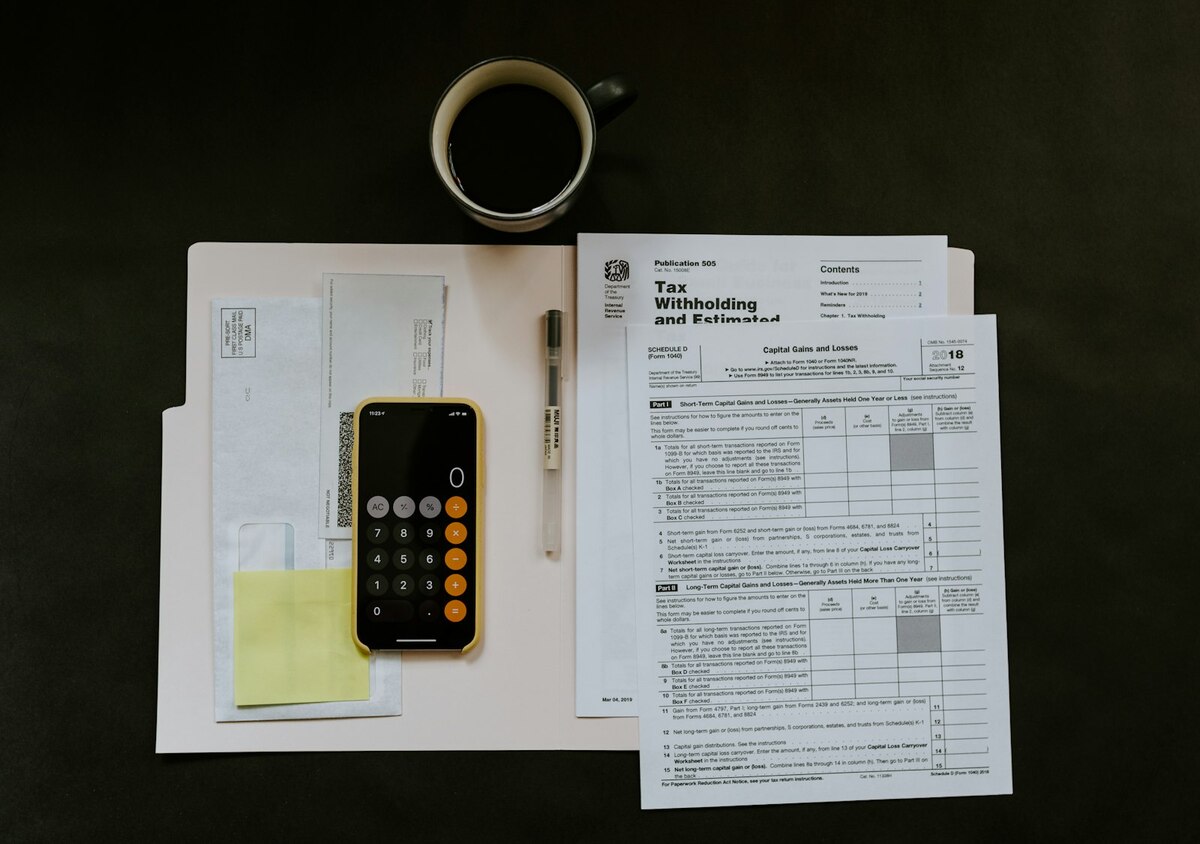
Disorganization creates stress, especially during tax season or major life events. Rochester families who keep financial documents organized throughout the year experience smoother tax preparation and fewer last-minute scrambles.
A simple system — digital folders, physical binders, or a combination of both — can make a big difference. Keeping income records, tax documents, receipts, and important statements in one place saves time and frustration.
7. Understanding How Life Changes Affect Finances
Marriage, divorce, having children, changing jobs, buying a home, or starting a side business all have financial implications. One of the most important habits families can develop is recognizing when these changes require financial adjustments.
Ignoring these shifts can lead to surprises later. Addressing them early helps families stay in control and make informed decisions.
8. Avoiding Lifestyle Creep
As income increases, spending often increases too. This “lifestyle creep” is one of the most common obstacles to long-term financial stability.
Rochester families who consciously keep lifestyle inflation in check — even during good years — are more likely to build savings, reduce debt, and feel financially secure.
The habit here is intentionality: choosing where additional income goes instead of letting spending rise automatically.
9. Checking In on Finances as a Household
Open financial communication is a powerful habit, especially for families. Regular check-ins help ensure everyone is on the same page and working toward shared goals.
These conversations don’t need to be long or stressful. A monthly or quarterly check-in helps:
- Review spending and savings
- Adjust plans if needed
- Address concerns early
- Build confidence around money decisions
Families who talk openly about finances tend to feel more aligned and less stressed.
10. Knowing When to Ask for Professional Guidance
No one expects families to handle every financial decision on their own. One of the smartest habits is knowing when to ask for guidance.
Whether it’s tax planning, budgeting challenges, or preparing for a major life event, working with a trusted local CPA can provide clarity and peace of mind.
Nacca & Capizzi has worked alongside Rochester and Greece families for decades, helping households navigate change, plan ahead, and build lasting financial confidence.
Building Strong Financial Habits Starts Small
The most successful financial habits aren’t flashy or complicated. They’re practical, consistent, and tailored to real life. For Rochester families in 2026, focusing on these habits can lead to greater stability, less stress, and more confidence throughout the year.
Progress doesn’t require perfection — just commitment and clarity.
Contact Nacca & Capizzi, LLP
Address: 2430 Ridgeway Ave, Rochester, NY 14626
Phone: (585) 225-9290
Website: https://www.naccacpas.com/
Disclaimer: This article is for informational purposes only and should not be considered tax, financial, or legal advice. Every family’s financial situation is unique. Always consult a qualified professional before making financial decisions.
‹ Back